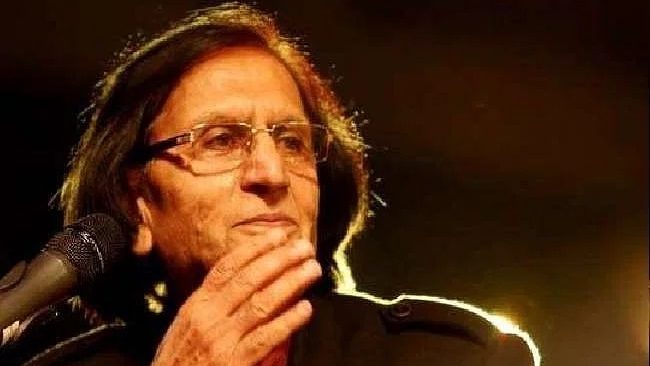
Waseem Barelvi is a prominent Indian poet and lyricist known for his emotive and lyrical verses. He has contributed immensely to the Urdu language poetry and has been an integral part of the Indian literary landscape for several decades.
Early Life and Education
Waseem Barelvi was born in Bareilly, Uttar Pradesh in 1936. He spent his early years in his hometown and later moved to Aligarh to complete his higher education. It was during his college years that he developed an interest in Urdu poetry and began writing his own verses. His early influences included poets such as Firaq Gorakhpuri, Meer Taqi Meer, and Ghalib.
Career
Waseem Barelvi began his career as a lecturer of Urdu literature in Aligarh Muslim University. He later moved to Mumbai and started working as a lyricist for the film industry. He penned his first song for the film “Lal Qila” in 1960, and went on to write lyrics for many other films such as “Umrao Jaan”, “Gaman”, “Razia Sultan”, “Bazaar”, and “Salaam Bombay!” among others.
His work in the film industry earned him widespread acclaim and recognition, and he soon became one of the most sought-after lyricists in the industry. His lyrics were known for their soulful and introspective quality, and they resonated with audiences across generations.
In addition to his work in films, Waseem Barelvi also continued to write poetry. His poetry has been published in several collections, including “Aahat-e-Nagma”, “Khwab Ka Dar Band Hai”, “Koi Saba Rakhna”, and “Waseem Barelvi Shaayari”. His poetry is known for its vivid imagery, introspective tone, and depth of feeling.
Style and Themes
Waseem Barelvi’s poetry is characterized by its lyrical quality and its focus on introspection and self-reflection. He is known for his ability to evoke strong emotions through his verses, and his poetry often deals with themes such as love, loss, and the human condition.
His poetry is also marked by its use of vivid imagery and symbolism. He often employs nature and natural elements as metaphors for human emotions and experiences, and his verses are filled with references to the moon, stars, and flowers.
Another prominent theme in Waseem Barelvi’s poetry is social commentary. He often uses his poetry to comment on social issues such as poverty, injustice, and inequality. His poetry is marked by its unflinching portrayal of the harsh realities of life, and he is known for his ability to use his words to draw attention to the plight of the marginalized and oppressed.
Legacy
Waseem Barelvi’s contributions to Urdu poetry and literature have been immense. He is widely regarded as one of the most prominent poets of his generation, and his work has been an inspiration to many.
His lyrics for films such as “Umrao Jaan” and “Gaman” are considered classics of Indian cinema, and his poetry continues to be celebrated and studied by scholars and enthusiasts alike.
In addition to his literary legacy, Waseem Barelvi’s work has also had a significant impact on Indian culture and society. His commentary on social issues and his commitment to speaking truth to power have inspired many to take up causes for social justice and equality.
Conclusion
Waseem Barelvi is a poet whose work has touched the hearts of countless people across generations. His lyrical verses, introspective tone, and social commentary have made him an integral part of the Indian literary landscape.
As we continue to grapple with the social, political, and cultural issues of our time, we can look to Waseem Barelvi’s poetry for guidance and inspiration. His words remind us of the power of art and the importance of speaking truth to power. Waseem Barelvi may no longer be with us, but his legacy lives on through his poetry and his impact on Indian culture and society.
 Shayari Classics
Leave a comment